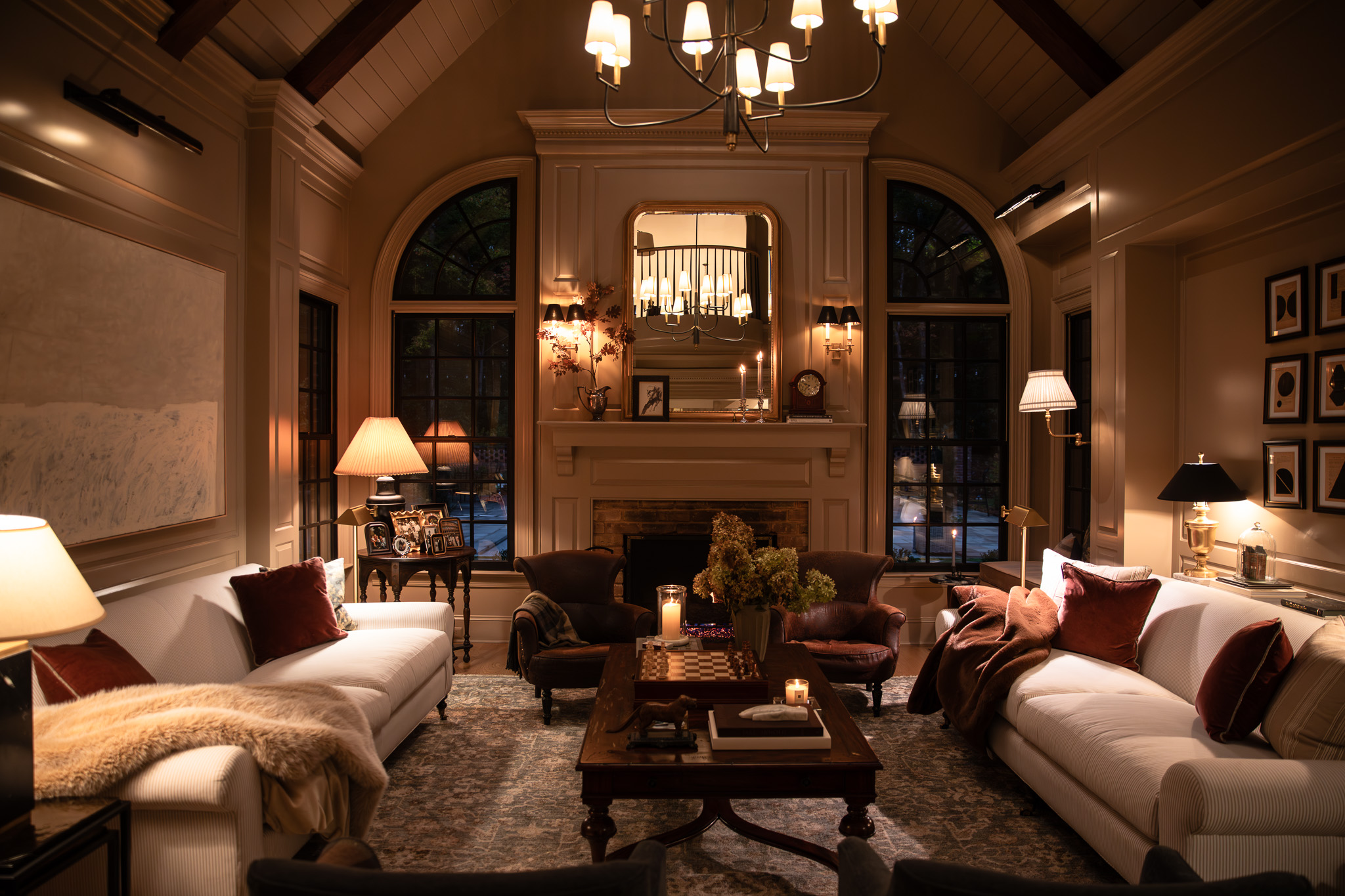
The House You Love by Day Should Be Just as Beautiful at Night
The right lighting can transform how a home looks and feels after sunset. Just as carefully as you select paint, furnishings and finishes, you should design your home’s lighting using three layers—ambient, task and accent lighting—and choose the right color temperature to create warmth, depth and atmosphere.
Have you ever walked into a home during the day and immediately fallen in love with it, only to feel differently when you return in the evening?
Why does a beautiful home sometimes lose its appeal after dark?
Natural daylight is forgiving. It floods rooms with soft, changing illumination and reveals architectural details, beautiful finishes and carefully selected furnishings. Artificial lighting, on the other hand, can either enhance those same qualities—or expose a poorly planned lighting scheme.
This is particularly important when staging a home for sale. Buyers don’t necessarily experience a property only at noon on a sunny day. They may drive by in the evening, attend an after-work showing or imagine what the house will feel like when they are entertaining, relaxing or coming home after dark.
In the beautiful historic and country properties found throughout Chester County, the Brandywine Valley and the Main Line, lighting can be especially powerful. Stone walls, millwork, fireplaces, landscaping and architectural details take on an entirely different character in the evening.
The answer isn’t simply more light.
It’s better-designed light.
Think of Lighting as Another Layer of Interior Design
We spend enormous amounts of time selecting flooring, countertops, paint colors, furnishings and artwork. Yet lighting is often treated as an afterthought.
It shouldn’t be.
A well-designed lighting plan creates different heights, shadows, focal points and levels of illumination throughout a room. Rather than having one bright ceiling fixture attempting to do everything, multiple sources work together to create a more comfortable and sophisticated environment.
Think of lighting in three layers:
| Layer | Purpose | Examples |
| 1. Ambient | Provides general illumination | Recessed lighting, chandeliers, ceiling fixtures |
| 2. Task | Illuminates a specific activity | Under-cabinet lights, reading lamps, desk lighting |
| 3. Accent | Draws attention to something beautiful | Artwork, cabinetry, bookshelves, architectural details, plants |
The goal is not to make every corner equally bright. The goal is to create visual interest and balance.
Layer One: Ambient Lighting
Ambient lighting is the foundation of your lighting plan.
This is the general illumination that allows you to comfortably move through and use a room. Recessed lighting, chandeliers, pendants and other overhead fixtures can provide ambient light.
One of the most important considerations is control.
Whenever possible, overhead lighting should be connected to a dimmer. A kitchen that needs bright illumination while preparing dinner doesn’t need to remain at that same intensity while you’re enjoying a glass of wine with friends.
The ability to adjust the intensity allows the room to change with the occasion.
A note about recessed LED lighting
Today’s LED fixtures often provide choices in color temperature, which brings us to an important design consideration: Kelvin temperature.
For most residential interiors, warmer light in the 2700K–3000K range creates a more inviting appearance. Warmer light tends to complement wood, stone, fabrics and traditional finishes particularly well.
For a home intended to feel comfortable and residential rather than clinical or commercial, warmer light is generally the better choice.
Layer Two: Task Lighting
Task lighting is exactly what its name suggests—it puts light where you need it to perform a specific activity.
Consider all the places in your home where you read, cook, work, prepare food or perform detailed tasks.
Examples include:
- Under-cabinet lighting in the kitchen
- A reading lamp beside a favorite chair
- Bedside reading lights
- Lighting at a desk or worktable
- Vanity lighting in a bathroom
- Pendant lighting over a kitchen island
- Lighting over a workbench or craft area
Task lighting should make an activity easier without necessarily illuminating the entire room.
In a kitchen, for example, under-cabinet lighting provides useful illumination exactly where food preparation takes place while also contributing another, softer layer of light to the room when the overhead fixtures are dimmed.
Layer Three: Accent Lighting
Accent lighting doesn’t light the room—it lights the object.
This is the layer that can make a home feel particularly special.
Accent lighting directs attention toward something you want to see:
- A piece of artwork
- Architectural millwork
- A stone fireplace
- A built-in bookcase
- Objects displayed inside cabinetry
- A collection of accessories
- A beautiful plant
- A textured wall
- A particularly interesting architectural feature
Uplighting is another form of accent lighting. A carefully positioned light can wash a wall, highlight a tree or architectural element, or give an object a soft, almost theatrical focus.
This is particularly effective in homes with architectural character. A beautiful stone fireplace or paneled library may be impressive during the day, but properly positioned accent lighting can make it a focal point after sunset.
The Magic Happens When You Layer the Light
The most successful lighting plans don’t rely on one source.
They combine several.
Imagine a family room at night:
Ambient: Recessed ceiling lights are dimmed to a comfortable level.
Task: A reading lamp illuminates a chair beside the fireplace.
Accent: Small lights illuminate the bookshelves and artwork.
Suddenly, the room has height, depth and dimension.
Your eye moves around the space rather than focusing on one bright ceiling fixture.
A simple lighting formula
When evaluating a room, ask yourself:
- What provides the general light?
- Where do I perform specific tasks?
- What architectural or decorative elements deserve attention?
- Can each layer be controlled independently?
- Is the color temperature warm and consistent?
If you can answer all five, you’re well on your way to a thoughtful lighting plan.
Lighting Matters Even More When You’re Selling Your Home
Lighting isn’t just about how you live in a house. It can influence how prospective buyers experience it.
When preparing a property for sale, we often focus on decluttering, furniture placement, paint, landscaping and photography. But lighting deserves the same attention.
A few strategic changes can make a remarkable difference:
| Before | Consider Instead |
| One bright overhead fixture | Multiple dimmable light sources |
| Cool, blue-toned bulbs | Warmer 2700K–3000K light |
| Dark bookshelves | Subtle interior accent lighting |
| Unlit artwork | Properly directed picture or accent lighting |
| Dark kitchen counters | Under-cabinet illumination |
| Completely dark exterior | Layered landscape and architectural lighting |
And don’t forget the exterior.
A home’s first impression doesn’t necessarily end when the sun goes down. Landscape lighting, pathway lighting, porch lighting and subtle architectural illumination can help a property feel welcoming rather than dark and imposing.
For country properties, farms and historic homes throughout Chester County and the Brandywine Valley, thoughtful exterior lighting can also reveal mature trees, stone walls, gardens, terraces and other elements that disappear completely after sunset.
The Takeaway: Design Your Home for the Evening, Too
The house you fell in love with during the day shouldn’t become a different house at night.
Lighting is an essential part of design—not simply an electrical decision made at the end of a renovation.
By combining ambient, task and accent lighting, controlling intensity with dimmers and choosing a warm, residential color temperature, you can create a home that feels layered, comfortable and beautiful well after the sun goes down.
Whether you’re designing a new home, renovating an existing property or preparing your home for sale, take a walk through the house one evening and look at it differently.
What do you see?
Where does your eye go?
What’s too bright?
What’s disappearing into the darkness?
And what deserves a little more attention?
Because when lighting is thoughtfully designed, you don’t just love your house during the day.
You love it at night, too.
Explore More Country Home & Property Insights
For more ideas on preparing and presenting distinctive properties, check back every month for updated information.
Our experience with country estates, historic properties, equestrian farms and distinctive homes throughout Chester County and the surrounding Brandywine Valley gives us a unique perspective on what makes a property memorable—not only on paper, but when someone walks through the door.
Enjoy the process, and the results will come.
Further Reading

How’s the Real Estate Market? It Depends on What You’re Selling.
The real estate market isn’t one market, but many. Understanding the differences between luxury homes, equestrian properties, farms, and traditional residential real estate is essential to pricing a property correctly and developing a successful selling strategy...
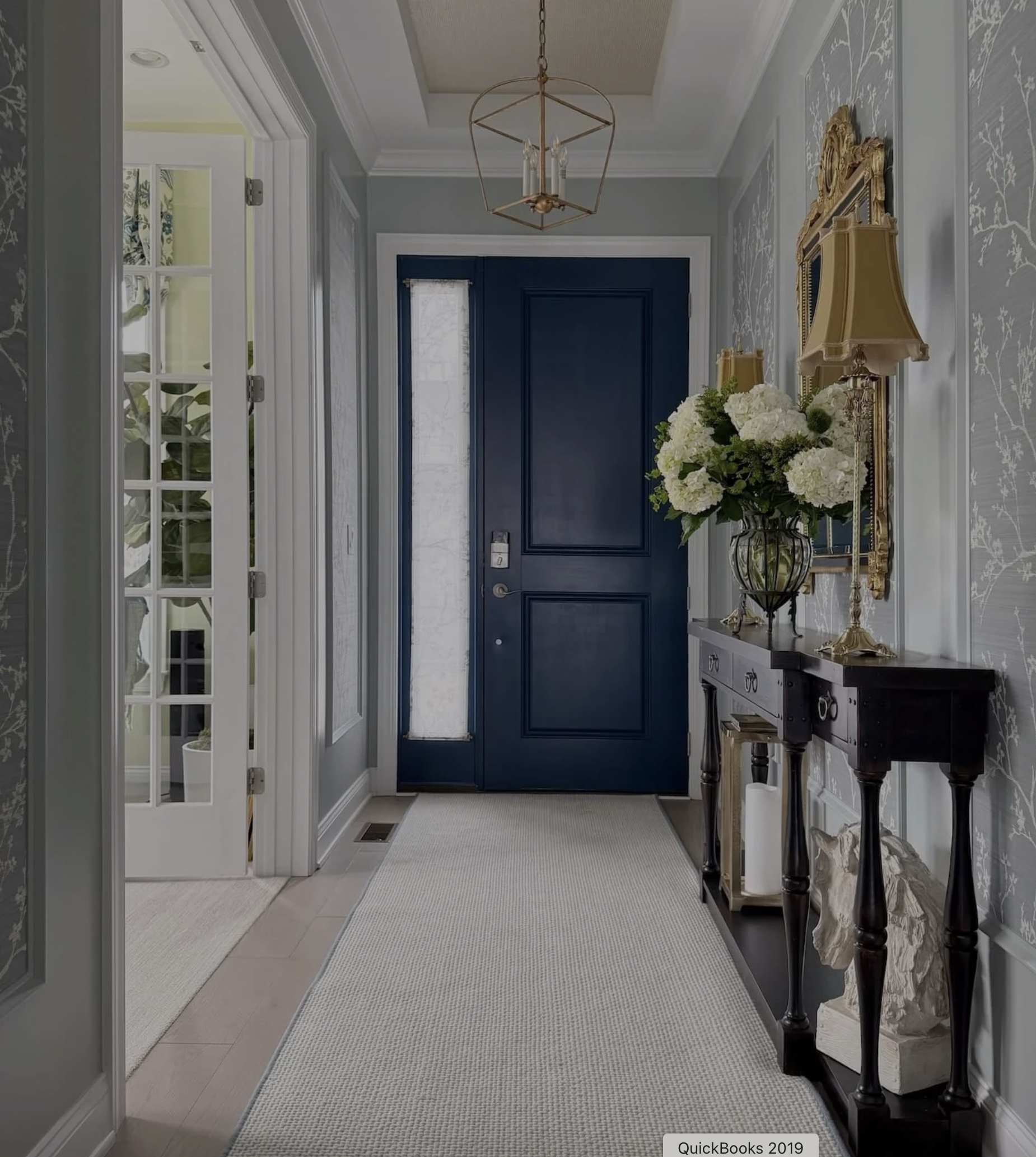
The Arrival Experience
Luxury Hotels know, that guests first impression happens in the first second of arrival. The moment you step inside, you should feel welcomed and expected.
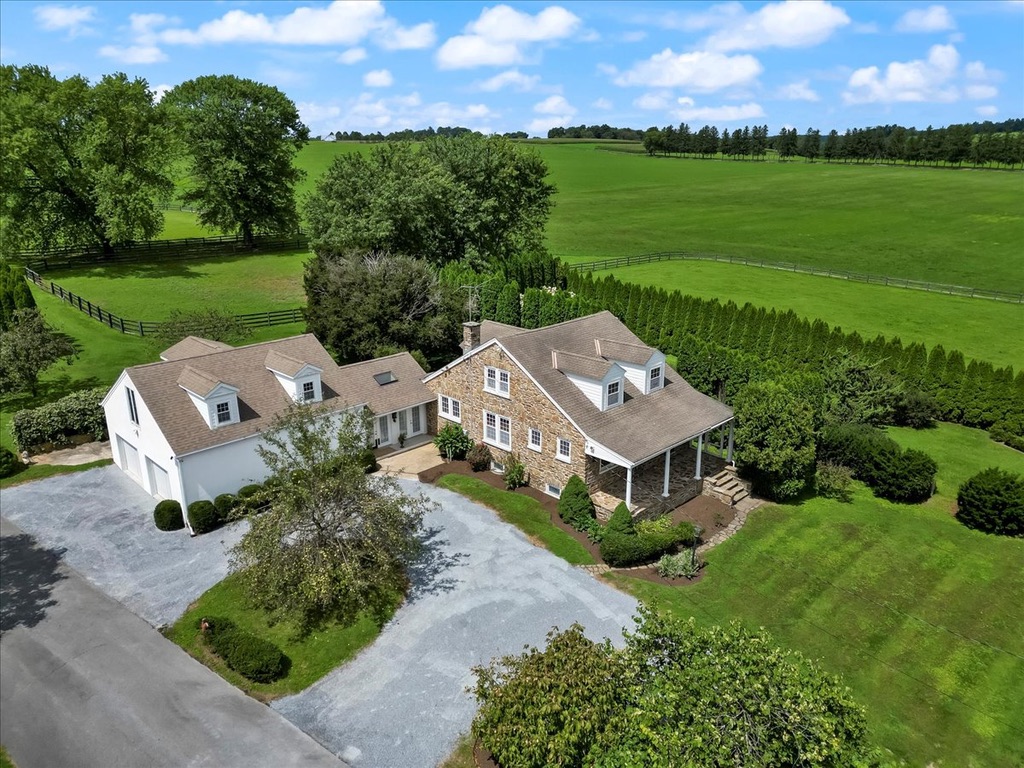
Luxury Homes In The Tri-County Region
From picturesque countryside estates to vibrant town centers, Camille Gracie proudly serves buyers and sellers throughout some of the region’s most desirable communities.