How’s the Real Estate Market? It Depends on What You’re Selling.
The real estate market isn’t one market, but many. Understanding the differences between luxury homes, equestrian properties, farms, and traditional residential real estate is essential to pricing a property correctly and developing a successful selling strategy in Southeastern Pennsylvania and Northern Delaware.
It’s probably the question I hear more often than any other: “How’s the market?”
It’s a perfectly reasonable question, but it’s not one that can be answered accurately with a simple “great” or “slow.” The truth is that several real estate markets exist side by side, each influenced by different buyers, different priorities, and different economic factors.
A four-bedroom home on a quarter-acre lot, a five-million-dollar country estate, a horse farm in the heart of Cheshire Hunt Country, and a working farm in Southern Lancaster County may all be considered real estate. But the buyers searching for these properties, the factors influencing their decisions, and the time it takes to sell them can be dramatically different.
After years of working with luxury homes, equestrian properties, farms, and distinctive country estates, I’ve learned that understanding the right market is far more important than relying on broad headlines about the real estate market as a whole.
Let’s look at what makes these markets different.
1. The Luxury Real Estate Market: A Smaller Pool of Qualified Buyers
Luxury real estate operates by a different set of rules than the general residential market.
Consider the difference between a traditional four-bedroom home of approximately 3,000 square feet on a manicured quarter-acre lot and a luxury estate that may be three or four times larger, situated on several acres, and constructed with exceptional materials, architectural details, and custom finishes.
The purchase price is only part of the equation.
A larger estate often comes with substantially higher operating costs, including heating and cooling, landscaping, property maintenance, insurance, and real estate taxes. For some properties, there may also be the cost of maintaining pools, guest houses, outbuildings, private roads, or extensive grounds.
These additional expenses narrow the pool of buyers who are both financially qualified and willing to assume the responsibilities of ownership.
As a result, luxury properties often require a longer marketing period than homes in the broader residential market. That does not necessarily mean a property is overpriced or undesirable. It means the potential buyer pool is smaller, and finding the right buyer may take more time.
Location matters—even at the luxury level.
The luxury market in Southern Chester County and Delaware County is not identical to the market along Philadelphia’s Main Line, in Center City Philadelphia, or in New York City.
Employment opportunities, concentrations of wealth, access to business centers, lifestyle preferences, and local demand all influence the number and type of buyers in a particular area.
A luxury property that appeals to someone seeking proximity to Philadelphia’s business community may attract a very different audience from an expansive country estate offering privacy, acreage, and an equestrian lifestyle.
This is why luxury property pricing and marketing must be tailored to the property itself and to the buyers most likely to appreciate it. A strategy that works for a Main Line residence may not be the right strategy for a country estate in Chadds Ford or a historic property in Chester County.
2. The Equestrian Real Estate Market: A Few Miles Can Make a Difference
One of the most specialized markets I serve is equestrian real estate, where location can have an extraordinary influence on desirability and value.
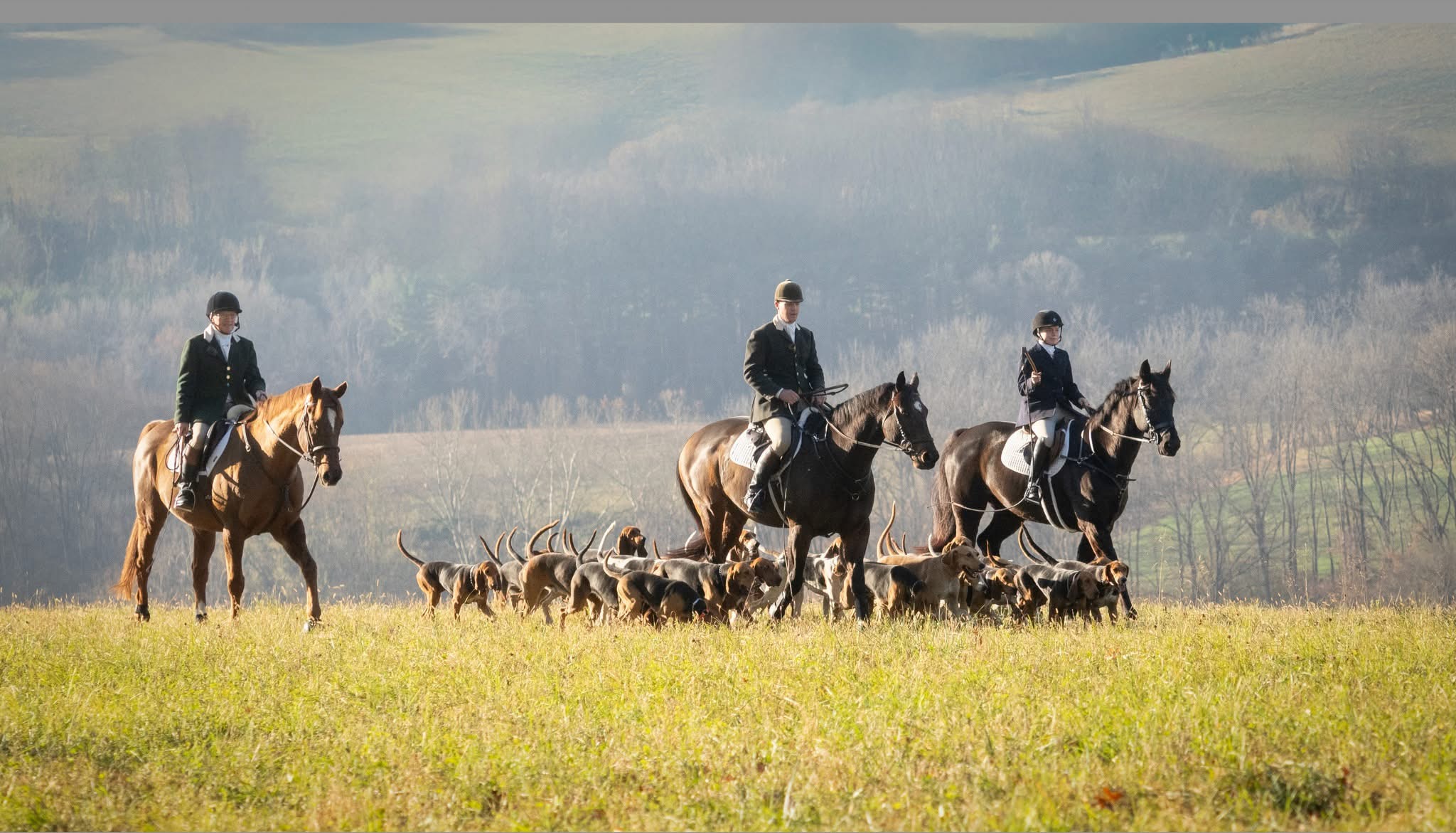
In Southern Chester County, the Unionville area is internationally recognized for its equestrian heritage. The region is home to distinguished foxhunting traditions, accomplished eventing, show jumping and dressage competitors, high-level polo, steeplechase racing, and Thoroughbred breeding and bloodstock operations.
For buyers who live and work within this community, a horse farm is much more than a property. It is part of a way of life.
Proximity to established equestrian venues, training facilities, veterinarians, farriers, riding opportunities, and fellow horse owners can be an important consideration. A farm located near Unionville may therefore attract a stronger pool of interested buyers than a comparable property farther away.
That difference in demand can influence both price and the time required to find a buyer.
What makes an equestrian property desirable?
Acreage, while important, is only one piece of the puzzle. Buyers may also evaluate:
- Location: Proximity to Unionville, established equestrian communities, and riding or competition venues.
- Acreage and land configuration: Usable pasture, turnout areas, appropriate fencing, and room for future improvements.
- Facilities: Barn design, stall configuration, tack and feed storage, wash stalls, arenas, and other amenities.
- Land management: Drainage, pasture quality, manure management, and the overall condition of the property.
- Lifestyle and community: Access to the people, traditions, and activities that make the local horse world distinctive.
For many buyers, a property that is ready to accommodate their horses and their particular discipline will be more attractive than one that requires extensive renovations or site improvements.
Is 10 to 20 acres the sweet spot for an equestrian property?
For many private horse owners in the Unionville area, 10 to 20 acres can offer an appealing balance between usable land, horse facilities, privacy, and manageable upkeep.
A 20-acre property may also qualify an owner for landowner recognition or certain membership privileges within a local hunt, subject to that hunt’s specific rules and requirements. With suitable pasture, fencing, rotation, and land management, that acreage can accommodate several horses comfortably. The appropriate number depends on soil conditions, grazing capacity, turnout arrangements, and the facilities available.
Of course, there is no single formula for every equestrian buyer. Number of horses, on site training requirements and horse management styles can have very different land and infrastructure requirements.
In equestrian real estate, the value lies not simply in the number of acres, but in how well the property supports the buyer’s intended use.
3. The Farm Market: Why Southern Lancaster County Is So Competitive
Another fascinating market is the farmland of Southern Lancaster County, just across the Chester County line.
From parts of the region, Unionville is approximately 20 minutes away via Route 926, making this area an attractive alternative for buyers seeking acreage while remaining within reach of Chester County’s equestrian community.
But the local farm market has its own powerful sources of demand.
The region’s established Amish communities include many households engaged in farming and traditional agricultural livelihoods. For these buyers, land can be essential to their way of life and an important part of maintaining family and community connections.
Because horse-and-buggy transportation remains an important part of daily life for many Amish residents, proximity to family, community, schools, businesses, and other familiar destinations can be especially significant.
This creates a market in which a farm’s location and suitability for agricultural use may be just as important as its buildings or residential improvements.
Why does demand for farmland remain strong?
Several factors can influence the desirability of farms in this area:
- Usable acreage: Productive land suitable for farming, grazing, or other intended agricultural purposes.
- Location: Proximity to family, community, and established agricultural networks.
- Affordability: In some cases, purchase prices, property taxes, and living expenses may compare favorably with those in nearby Chester County.
- Land availability: Properties offering meaningful acreage are limited, and competition can be strong when a suitable farm comes to market.
For buyers who depend on land for their livelihood, the search is not simply about finding a house. It is about finding a property that supports their work, family, and future.
For sellers, understanding this buyer pool is critical. A farm that might be marketed primarily as a country residence to one audience may be far more compelling to another buyer who recognizes its agricultural potential.
The lesson is simple: the most effective marketing identifies not just who can buy a property, but who has the strongest reason to want it.
4. The Traditional Residential Market: What Buyers Value Most
Now, let’s return to the familiar four-bedroom home on a quarter-acre lot.
This is the market most often discussed in newspaper headlines, online reports, and national real estate statistics. It is also the market in which many buyers and sellers make decisions based on interest rates, inventory, affordability, and recent comparable sales.
Here, location is often paramount.
Proximity to employment centers, desirable school districts, shopping, transportation, and community amenities can significantly influence buyer demand. The condition of the home, its presentation, and the surrounding neighborhood also matter.
Buyers may pay particular attention to:
- Curb appeal and the overall first impression.
- The condition and age of the roof, HVAC system, windows, and other major components.
- Kitchen and bathroom updates.
- Floor plans, storage, natural light, and functional living spaces.
- The condition of neighboring properties and the character of the neighborhood.
- How the asking price compares with similar homes that have recently sold.
Not every property needs a complete renovation to sell successfully. The key is knowing which improvements are likely to matter to buyers and which expenses may not be justified by the expected return.
I recently saw this principle demonstrated in a North Wilmington neighborhood, where a well-positioned home achieved a strong sale. Thoughtful preparation, appropriate pricing, and an appealing presentation can make a meaningful difference when a property meets what buyers in that market are looking for.
The broader lesson applies to all price points: a successful sale begins with understanding the buyer, preparing the property appropriately, and pricing it according to the market—not simply according to the seller’s expectations.
5. What Impact Do Interest Rates Have on the Real Estate Market?
Interest rates matter. When rates fall significantly, financing becomes more affordable for many buyers, potentially bringing additional purchasers into the market. When rates rise, monthly payments increase, and some buyers may postpone their plans or reduce their budgets.
The effect, however, is not the same for every property or every buyer.
A buyer financing a traditional residential purchase may be highly sensitive to mortgage rates. A luxury buyer paying cash may be less directly affected, although broader economic conditions, investment returns, and confidence can still influence the decision to purchase.
Farm and equestrian buyers may also need to consider specialized financing, land values, operating expenses, and the costs of improving or maintaining the property.
Interest rates are only one part of the equation. Inventory, local employment, household circumstances, available financing, and the number of competing properties all play a role.
For this reason, waiting for the perfect interest rate is not always the best strategy. A buyer should consider the full cost of ownership, the suitability of the property, and the potential cost of waiting. A seller should consider current competition, likely buyer demand, and the reasons for making a move.
There is no universal answer. The right decision depends on individual circumstances and the specific market in which the property competes.
6. Why There Is Always a Real Estate Market
Regardless of interest rates or the headlines, real estate transactions continue because life continues to change.
Families grow and need more space. Children leave for college, creating opportunities to downsize. Job changes prompt relocations. Marriages begin, relationships change, and estates must be settled. Some owners decide it is time to simplify their lives, while others are ready to pursue a long-held dream of owning a farm or country estate.
These events create buyers and sellers in every kind of market.
That does not mean every property will sell quickly or achieve the price its owner hopes for. Market conditions are real, and timing, pricing, and preparation matter. But it does mean that opportunities exist even when the overall market feels challenging.
The important question is not simply whether the real estate market is good or bad.
It is: How is the market for your particular property, in your particular location, at your particular price point?
Answering that question requires more than national statistics or a quick glance at recent sales. It requires an understanding of local conditions, the characteristics that make a property distinctive, and the buyers most likely to value what it offers.
So, How’s the Market?
If you are considering selling a home, luxury estate, horse farm, or agricultural property in Southern Chester County, Delaware County, Southern Lancaster County, or Northern Delaware, the best place to start is with a property-specific market analysis.
That means looking beyond broad averages to evaluate comparable sales, current competition, buyer demand, location, condition, and the features that distinguish your property from others.
Every property has its own story, and every market has its own dynamics.
Understanding the difference is where a thoughtful real estate strategy begins.
Thinking about selling? I would be happy to discuss your property, answer your questions, and help you understand how it fits into today’s market—before you make any decisions.
Further Reading
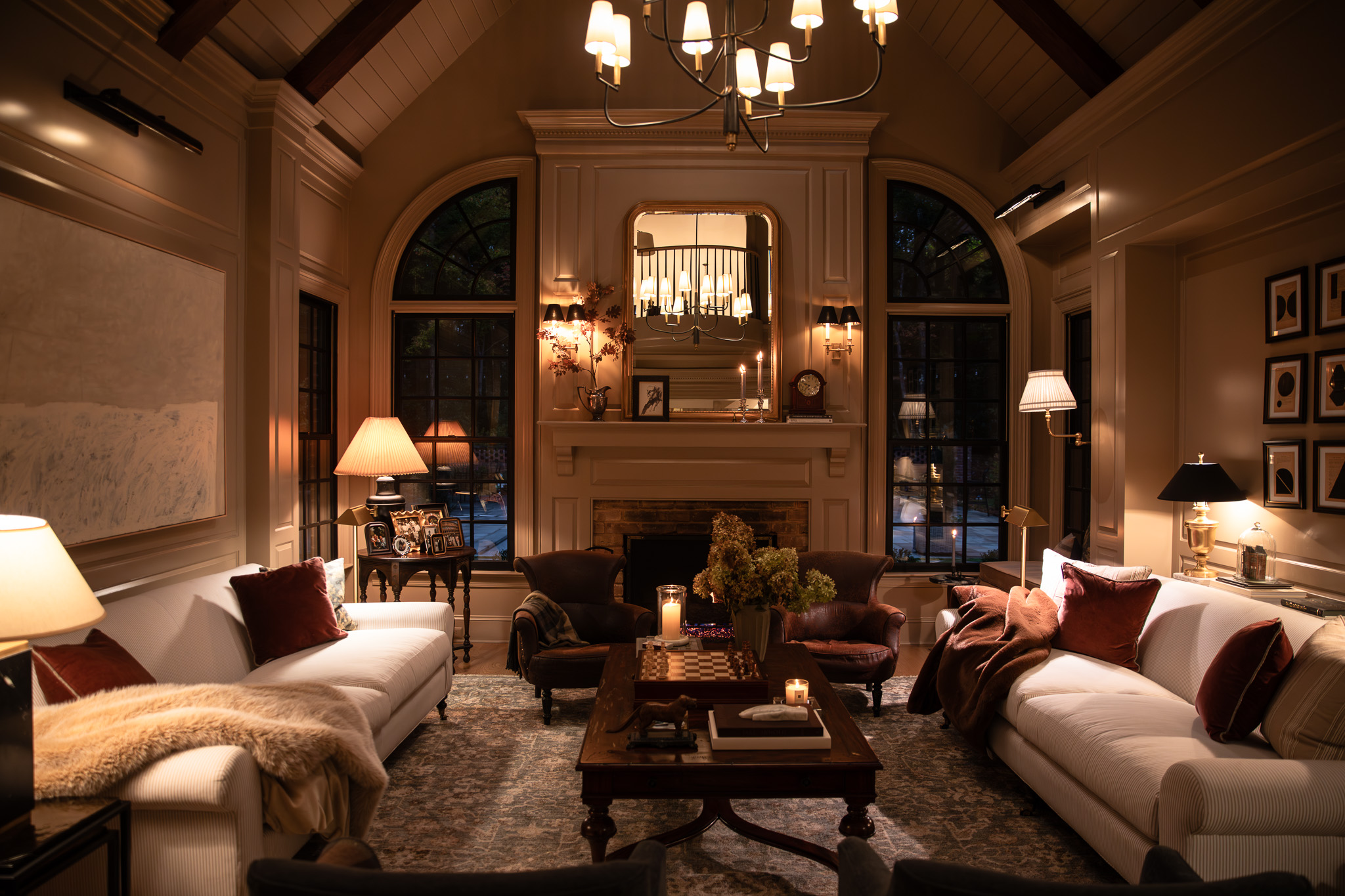
The House You Love by Day Should Be Just as Beautiful at Night
The right lighting can transform how a home looks and feels after sunset.
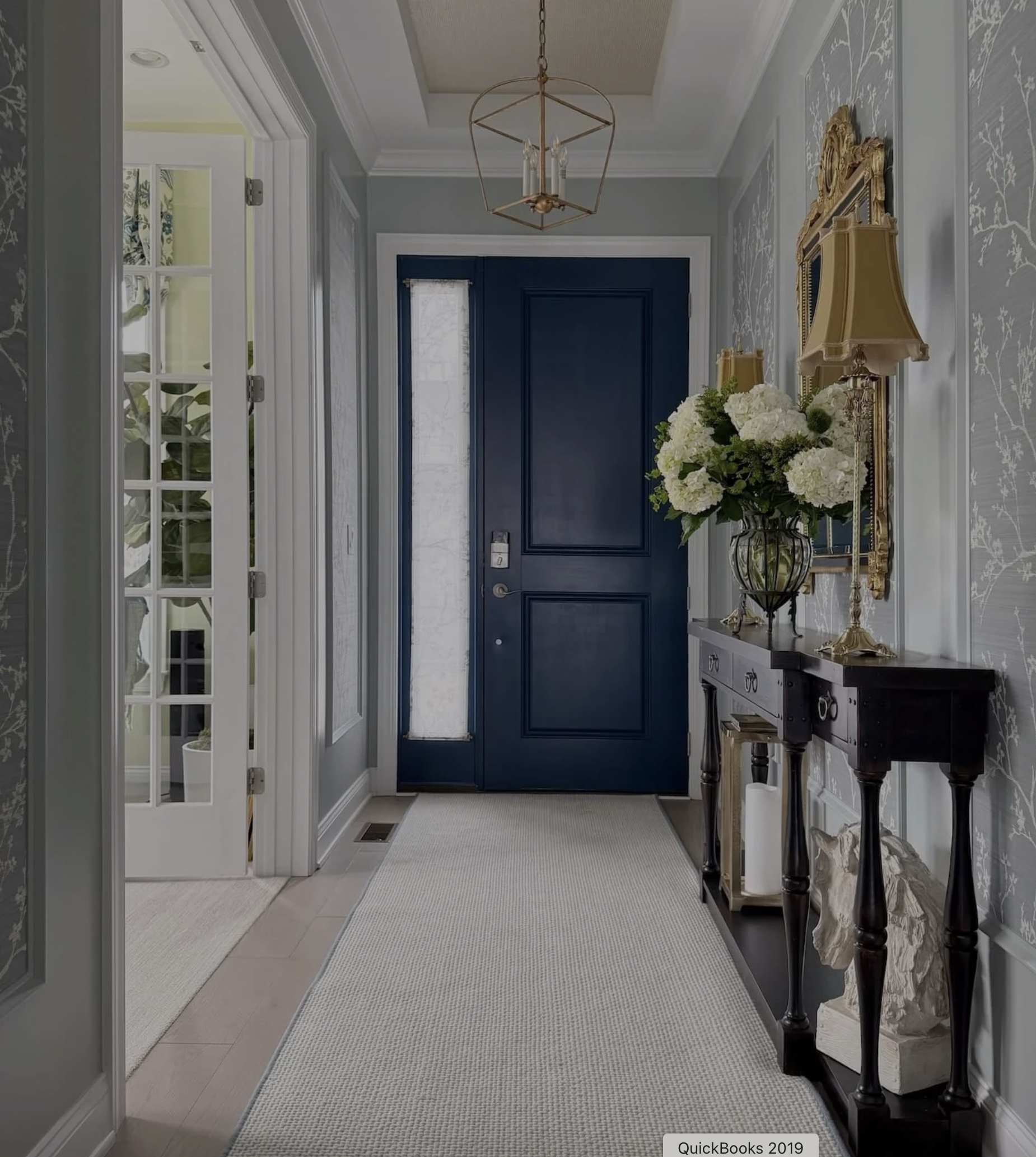
The Arrival Experience
Luxury Hotels know, that guests first impression happens in the first second of arrival. The moment you step inside, you should feel welcomed and expected.
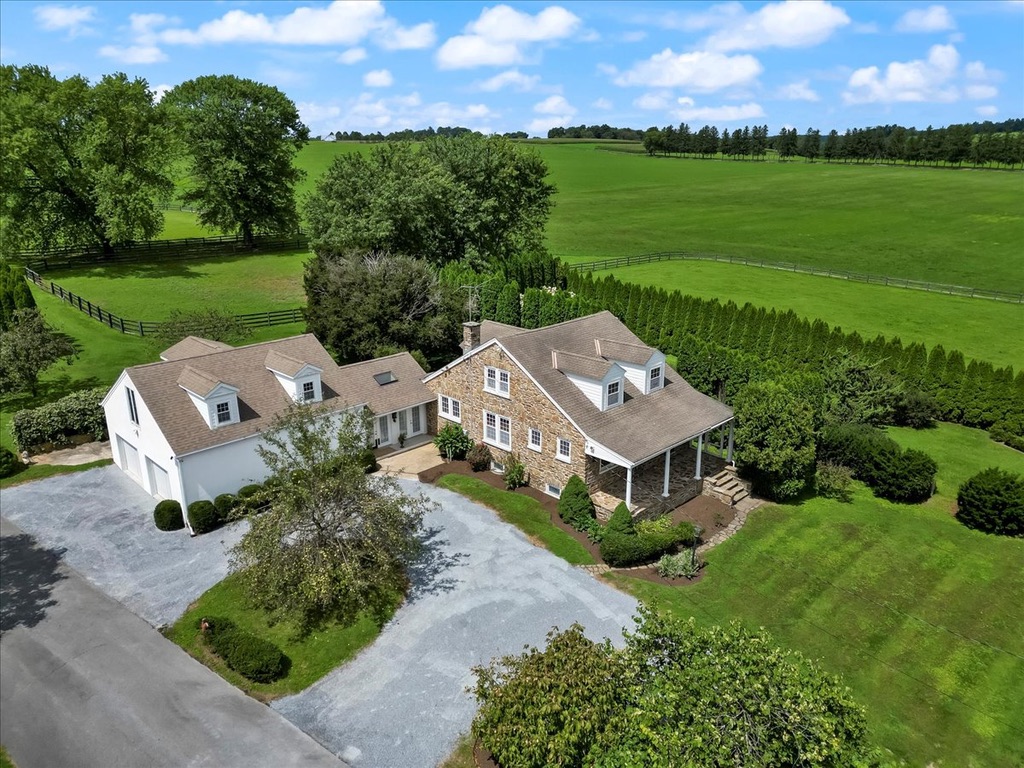
Luxury Homes In The Tri-County Region
From picturesque countryside estates to vibrant town centers, Camille Gracie proudly serves buyers and sellers throughout some of the region’s most desirable communities.